Solar Backup Systems: Frequent Mistakes to Avoid While Solar Panel Installation
Affordable Solar Panels: Top-Rated Solar Energy Solutions Supply Efficient And Sustainable Power For Houses And Companies
Types of Solar Panels
When diving into the world of solar panels, it's easy to seem like you've entered a labyrinth of technical jargon and conflicting guidance. However understanding the core types can brighten your path-- just like the sun itself. Have you ever questioned why some panels shimmer with uniform blackness while others look like a patchwork quilt of blue cells? The response lies in the technology beneath the surface.
Monocrystalline Solar Panels
Imagine a panel crafted from a single, pure crystal of silicon, as if nature herself had actually shaped it with precision. These monocrystalline panels are understood for their sleek, dark look and high efficiency. Their silicon cells are cut from a single crystal, permitting electrons to flow more easily, which equates Solar System For Home into better efficiency, specifically in limited spaces. If you have actually ever seen those sophisticated black panels on roofs, possibilities are they were monocrystalline.
Polycrystalline Solar Panels
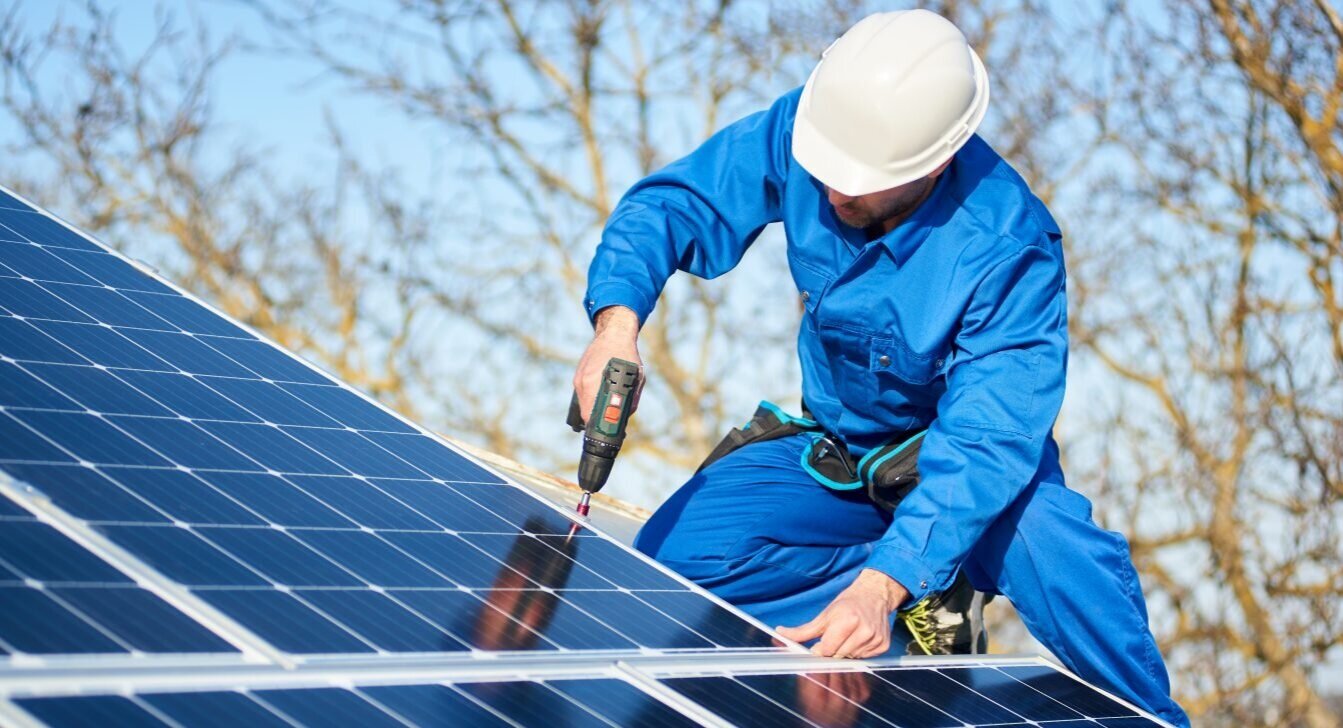
Now image a mosaic-- hundreds of silicon fragments melted together, producing a panel that's speckled with blue shades. Polycrystalline panels, in some cases called multi-crystalline, welcome this patchwork design. While they're typically less effective than their monocrystalline equivalents, they offer a more budget-friendly entry point. Performance can dip a little under heats, however their price frequently pointers the scales for numerous property owners.
Thin-Film Solar Panels
Thin-film panels are the chameleons of the solar world. These flexible, lightweight panels are developed by transferring several layers of photovoltaic material onto a substrate. Their flexibility lets them hold on to curved surface areas and even incorporate into building materials. But here's the catch-- thin-film panels typically have lower performance and need more space to create the very same power as crystalline panels.
Comparing the Main Types
| Type | Performance | Appearance | Cost | Best For |
|---|---|---|---|---|
| Monocrystalline | High (15-22%) | Uniform black | Higher | Minimal space, high performance |
| Polycrystalline | Moderate (13-16%) | Blue speckled | Moderate | Budget-conscious, larger areas |
| Thin-Film | Lower (10-12%) | Varies, versatile | Lower | Versatile applications, large surfaces |
So, Which One Makes It?
Picking the finest photovoltaic panel isn't just about specifications; it has to do with your distinct circumstances. Do you have restricted rooftop space? Monocrystalline might be your champion. Want to keep costs lower without compromising too much performance? Polycrystalline could be your ally. Or perhaps your project calls for something non-traditional-- thin-film may just shock you with its versatility.
Remember, the sun doesn't play favorites, however your photovoltaic panel choice can. How will you harness its power to fit your way of life and needs?
Translating Effectiveness Scores: What Do They Really Mean?
Performance rankings often appear as a neat portion on photovoltaic panel specification sheets, however do they tell the full story? Picture squeezing juice from an orange-- some oranges yield more juice than others. Efficiency scores determine how well a solar panel transforms sunshine into electrical power. A panel boasting 22% performance changes 22% of sunshine hitting its surface into functional power.
But here's the catch: a higher effectiveness ranking doesn't always ensure much better real-world efficiency. Why? Because aspects like panel temperature, shading, and angle of installation play essential roles. A top-tier panel in a shady yard might underperform compared to a somewhat less efficient panel indulging in complete sun.
Performance Under Pressure: Beyond the Numbers
Have you ever discovered how some photovoltaic panels fail on hot summer afternoons? That's due to temperature coefficient, a figure often buried in technical specs. It demonstrates how panel efficiency dips as temperature levels increase. Panels with a lower temperature level coefficient preserve power much better under heat stress, which is essential if you live in a scorching climate.
Consider this: a 0.3% per degree Celsius drop indicates that if the panel's temperature level climbs 25 ° C above standard test conditions, its output might diminish by over 7%. Understanding this, it's necessary to select panels created for your regional weather subtleties, not just those with the highest effectiveness rating on paper.
Professional Tips for Optimizing Panel Efficiency
- Orientation and tilt matter enormously. Panels angled to catch the sun's path can surpass effectiveness gains from higher-rated modules.
- Regularly check for subtle shading from nearby trees or brand-new buildings-- partial shading can significantly lower output.
- Consider the degradation rate. Some panels lose less capability annually, guaranteeing they stay closer to their initial performance over years.
- Look into innovative cell innovations like PERC or bifacial cells, which harness showed light and increase overall yield.
Efficiency Table: Quick Referral
| Factor | Effect on Efficiency | Professional Suggestion |
|---|---|---|
| Effectiveness Rating (%) | Greater suggests more conversion of sunshine to electricity | Balance efficiency with cost and installation specifics |
| Temperature level Coefficient | Lower worths minimize losses in hot climates | Focus on panels with low temperature level coefficient in warm areas |
| Deterioration Rate (% per year) | Figures out yearly loss in maximum output | Pick panels with slower deterioration for long-term performance |
Questions to Contemplate
Is chasing the greatest performance score always the smartest relocation? Or might a panel with a well balanced mix of toughness, temperature level resilience, and effectiveness serve better in your unique setting? The answer often lies in the interplay in between numbers and nature.
Setup Factors to consider
Picture a sleek solar panel indulging in the sun, yet hidden in the shadows of an imposing tree-- its prospective suppressed. Placement isn't simply a matter of slapping panels on the roofing system; it requires a nuanced understanding of sunshine trajectories throughout the year. How often do you stop briefly to think of the angle your panels deal with? Orientation and tilt can make or break effectiveness, often by as much as 20%. South-facing roofings normally rule supreme in the Northern Hemisphere, however even here, nuances exist.
Roofing System Anatomy and Structural Integrity
The roofing system's condition can whisper secrets about the setup's durability. Is the surface area sturdy sufficient to support the extra weight? Older roofs may break under pressure, turning a solar dream into an expensive repair nightmare. If you do not desire your panels to become a temporary experiment, confirm the structural stability ahead of time. A specialist eye will spot concealed pitfalls like water damage or brittle shingles that might undermine the entire setup.
Shading and Environmental Complexities
Partial shading is the quiet effectiveness killer. Even a tiny shadow from a chimney or an antenna can ripple through the whole system, considerably lowering output. Ever observed how a single cloud can dim your solar gains? That's the sort of subtle disturbance to anticipate. Microinverters and power optimizers can alleviate these effects, however they come with their compromises in expense and intricacy.
Circuitry and Inverter Placement
- Keep electrical wiring runs brief to decrease energy loss through resistance.
- Position inverters in shaded, ventilated locations to prevent getting too hot and lengthen life expectancy.
- Guarantee simple access for repairing without dismantling the whole variety.
Think about electrical wiring like the blood stream of the system-- messy or prolonged lines indicate stretched energy circulation and minimized system health gradually.
Permitting and Timeline Realities
Though not diving into specific regulations, the often-overlooked time it requires to protect permits and approvals can stall your installation. This delay has a domino impact on energy savings and can cause disappointment. Preparation for this undetectable obstacle is vital for a smooth experience.
Professional Tips for Maximizing Setup Effectiveness
- Conduct an extensive website analysis using solar pathfinder tools or apps to map sun exposure variations.
- Think about the future growth of nearby foliage to avoid unexpected shading in coming years.
- Integrate battery storage or hybrid systems early if you expect energy autonomy objectives.
- Select modular panel layouts that enable simple growth or replacement without major overhaul.
Remember, installation is the foundation of your solar journey. A well-planned setup can turn unforeseeable weather condition and architectural peculiarities into a symphony of sustainable energy.
Environmental Effect and Sustainability of Solar Panels
Have you ever stopped briefly to think about the hidden footprints behind those glossy solar panels shining on rooftops? While they harness the sun's energy with outstanding efficiency, the journey from basic material extraction to end-of-life disposal reveals a complicated environmental story. Mining for silicon, a core part, frequently involves significant land disturbance and energy intake. Yet, the compromise is engaging: these panels can balance out carbon emissions lot of times over their life-span.
Not all photovoltaic panels are developed equal when it comes to sustainability. Some utilize advanced manufacturing techniques that drastically decrease poisonous byproducts and water usage. For instance, making use of less dangerous chemicals throughout wafer production can decrease eco-friendly damage. This subtle shift might seem minor, however it adds up-- less chemical waste indicates cleaner waterways and healthier ecosystems.
Specialist Tips for Maximizing Ecological Benefits
- Go with high-efficiency panels: They produce more power per square foot, suggesting less panels and less product intake.
- Think about panel lifespan: Longer-lasting panels minimize the frequency of replacements, reducing waste generation.
- Check for recyclable components: Some panels include materials that can be recovered, decreasing landfill load.
- Evaluate manufacturing transparency: Brand names that reveal their environmental footprint frequently stick to stricter sustainability requirements.
What about disposal? Photovoltaic panel posture a subtle problem at their end of life. Without proper recycling infrastructure, they risk becoming electronic waste, possibly leaching damaging substances. Thankfully, ingenious recycling methods recuperate valuable materials like silver and silicon, turning what was when waste into resources anew. This circular technique is essential in transforming solar innovation from simply green energy to genuinely sustainable tech.
Relative Environmental Metrics
| Metric | Standard Solar Panels | Advanced Sustainable Panels |
|---|---|---|
| Energy Payback Time | 2-3 years | 1-2 years |
| Water Usage in Manufacturing | High | Lowered by 30% |
| Recyclability | Partial | Approximately 90% |
Choosing the finest solar panels implies looking beyond in advance expenses or watts produced. It involves pondering their sustainability footprint and ecological tradition. Are the products morally sourced? Can the panels be efficiently recycled? These questions shape the future of renewable resource's consistency with the world.
Picture a world where every rooftop not only creates tidy electrical power but also contributes absolutely no net waste-- that's the silent transformation taking place in solar technology today. By staying notified and selective, you enter into a movement that focuses on both energy self-reliance and eco-friendly stewardship. Isn't true sustainability about the balance in between giving and taking?